
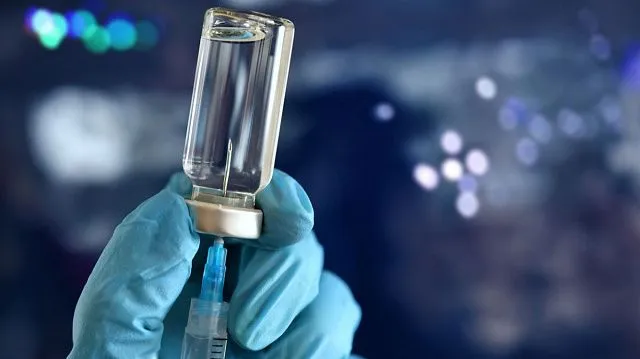

Chinese researchers have developed an innovative intratumoral vaccine strategy that enables the immune system to recognise and attack cancer cells by redirecting the body’s existing immune memory, as reported by
China Daily, a partner of TV BRICS.
The findings, published in a peer-reviewed international scientific journal, describe a synthetic molecule designed to prevent tumours from suppressing immune responses while simultaneously mobilising dormant immune cells that were previously activated by common viral infections.
Current immune checkpoint therapies have transformed cancer treatment by enhancing the immune system’s ability to detect malignant cells. However, their effectiveness remains limited in many patients, particularly in tumours with low mutational burden. Such cancers often lack sufficient neoantigens, allowing them to evade immune surveillance.
To address this challenge, the research team focused on so-called “bystander T cells” – immune cells generated during earlier infections, such as cytomegalovirus, that persist in the body with long-term immunological memory but are not actively involved in tumour recognition. Scientists hypothesised that redirecting these abundant memory cells towards cancer could significantly strengthen anti-tumour immunity.
The result was the creation of a dual-action molecule known as an intratumoral vaccination chimera. The compound simultaneously removes PD-L1 proteins from tumour cells – lifting immune suppression – and introduces a viral antigen marker. This process effectively labels cancer cells as targets for antiviral T cells, prompting a robust immune response against the tumour.
Researchers say the technology could pave the way for a new class of cancer treatments that do not rely solely on tumour-specific mutations but instead leverage the immune system’s existing strengths. Work is now under way to adapt the approach for future clinical studies.
Photo: MargJohnsonVA /
iStock
Самые
актуальные новости стран БРИКС https://tvbrics.com