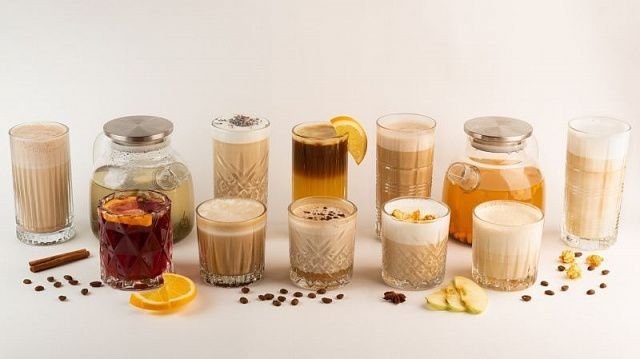

Staff of the A. M. Butlerov Institute of Chemistry at Kazan Federal University (KFU) have created a unique electrochemical DNA sensor that allows for the analysis of the action of natural antioxidants in beverages. The development helps assess how effectively coffee, tea, wine, and juices protect DNA from damage. This is reported on the
website of the Ministry of Science and Higher Education of Russia.
The innovation is high-tech and environmentally safe. The biosensor integrates several solutions, combining modern nanotechnology and green chemistry principles.
Scientists have used carbon nanomaterials – structures with high electrical conductivity and biocompatibility. They ensure the sensor’s sensitivity and signal stability during analysis.
“Antioxidants of various natures affect the sensor’s response differently. Subsequent mathematical processing can help isolate the contribution of individual components to the overall signal,” explained Anastasia Malanina, a leading engineer at the Department of Analytical Chemistry of the A. M. Butlerov Institute of Chemistry at KFU.
In recent years, increasing attention has been paid to the problem of DNA damage. Oxidative stress – a process where free radicals attack cells and their genetic material – is considered one of the main factors of ageing and a trigger for the development of severe pathologies, including oncological diseases and neurodegenerative disorders.
During analysis, the new sensor is exposed to an agent that generates free radicals, similar to how DNA is damaged in the body during oxidative stress. The analyser models the process of DNA biomolecule damage and then assesses how effectively the tested beverage can prevent this damage.
According to the developers, the new sensor will allow for the analysis of beverages from the perspective of their biological efficacy. The development can also be used in studying the mechanisms of DNA damage and protection, which is relevant for molecular biology, biophysics, pharmacology, and medicinal chemistry.
Photo: Tatiana Terekhina / iStock
Самые
актуальные новости стран БРИКС https://tvbrics.com