
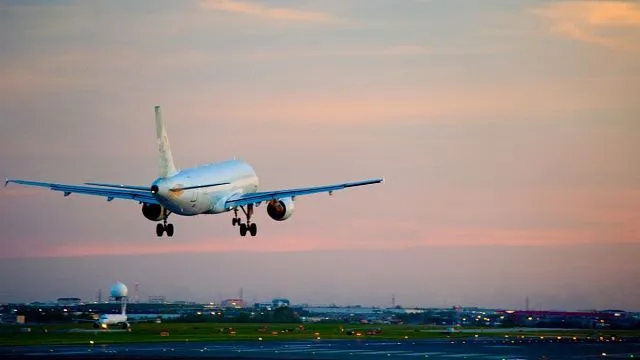

Air transport became the leading driver of Brazil’s international tourism growth in 2025, with 6,132,901 foreign visitors arriving by air over the year. According to data from the Federal Police and the Ministry of Tourism, this represents a 33.2 per cent increase compared with 2024. Air travel accounted for 66.04 per cent of the total 9.2 million international visitors and Brazilian residents living abroad who visited the country, confirming airports as the main gateway, ahead of land, sea and river routes combined.
Airports in the Southeast region received the largest share of arrivals. The state of Sao Paulo welcomed 2,737,901 international visitors by air, followed by Rio de Janeiro with 2,130,991. Minister of Ports and Airports Silvio Costa Filho stated, “When we guarantee modern and safe airports, we are telling the world that Brazil is ready to welcome visitors. International tourists demand efficiency upon arrival, and this growth in visitor numbers shows that our infrastructure is fulfilling its role of connecting the country to major global markets, generating jobs and foreign exchange here at home.”
The
government website highlights that growth in visitor numbers was also supported by an expansion in flight supply. In 2025, seat capacity rose by 14.1 per cent, marking a historic record for the second consecutive year. At the same time, real airfares declined by 10.9 per cent compared with 2022 levels, contributing to Brazil’s position as an accessible and competitive destination in the international tourism market.
According to the Ministry of Ports and Airports, the record inflow of international visitors coincided with an overall movement of 130 million passengers across Brazil’s airport network in 2025, including domestic and international flights.
Additionally, Brazil has announced plans to introduce visa-free entry for Chinese citizens travelling on short-term visits, following China’s decision to grant visa-free access to Brazilian nationals. The reciprocal measure is intended to facilitate mobility, strengthen people-to-people ties and expand cooperation in areas such as education, culture, technology, and infrastructure, further supporting tourism and broader South–South engagement.
Photo: OceanFishing /
iStock
Самые
актуальные новости стран БРИКС https://tvbrics.com