
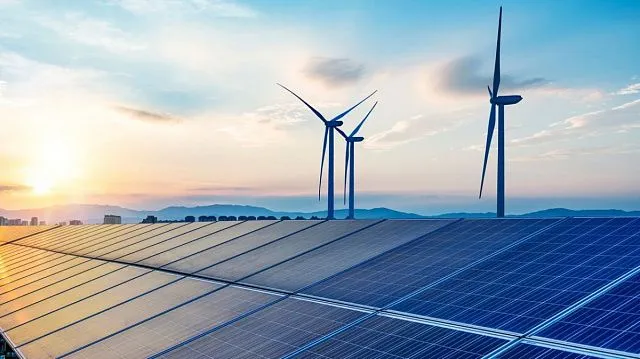

In Indonesia, the share of clean energy sources in electricity generation reached 17.89 per cent in April 2026, with a total volume produced of 29.62 terawatt-hours, exceeding the government’s annual target of 16.46 per cent. As reported by
ANTARA.
The result points to an acceleration of the energy transition in the country. In 2024, renewable energy accounted for 14.65 per cent. In 2025, this rose to 15.75 per cent. In the first four months of 2026, the figure increased by more than two percentage points.
One of the factors driving this progress was the commissioning of projects that were previously at the planning or construction stage, including new hydroelectric power stations connected to the electricity grid.
The island of Sumatra has shown one of the most significant performances: green energy sources already account for 41.76 per cent of local electricity generation. The region has great potential for hydroelectric, geothermal and biomass energy.
Nationwide, hydroelectric power remains the mainstay of the renewable sector, followed by biomass and geothermal energy. At the same time, solar energy is recording the fastest growth, driven by the fall in the cost of solar panels and the expansion of rooftop installation schemes.
According to the electricity supply development plan for 2025–2034, clean energy is expected to account for around 76 per cent of new generation capacity. This shows that clean energy is gaining prominence as one of the main drivers of growth in the Indonesian electricity sector.
The advance of renewable energy in Indonesia is also attracting the attention of foreign investors. At the same time, the country still needs to expand its transmission infrastructure and gradually reduce its reliance on coal.
Similar processes are underway in various BRICS countries through a range of mechanisms, such as increasing the share of green energy sources, developing infrastructure and green financing.
In China, total installed electricity generation capacity reached 4.01 billion kilowatts by the end of May 2026, making the country the world leader in this indicator. According to
Xinhua News Agency, a partner of TV BRICS, one of the main drivers of growth was energy from non-fossil sources, whose share of total installed capacity rose to 62 per cent, up from 25 per cent in 2010.
Brazilian Development Bank (BNDES) has raised US$193 million to finance green projects in the country, as reported by
Brasil 247, a partner of TV BRICS. The funds will be allocated to clean energy, sustainable infrastructure, energy efficiency, and emissions reduction across various sectors of the Brazilian economy.
The government of the Indian state of Tamil Nadu has approved the creation of five renewable energy zones. The new framework is expected to accelerate solar and wind projects, reduce approval times and improve dialogue with investors. Measures are also planned to support energy storage systems, rooftop solar panels, projects in public buildings and future floating solar power stations, reports
Trinity Mirror, a partner of TV BRICS.