
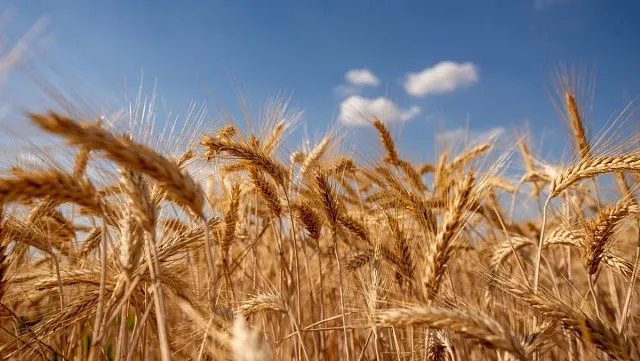

Scientists from Saint Petersburg State University (SPbU), a partner of TV BRICS, together with colleagues from Russian research institutions, have developed a new method for treating wheat seeds before sowing. The technology uses chitosan and glyoxal to create a protective coating that supports seed germination and plant development while reducing the risk of crop diseases, as reported on the university’s website.
The researchers focused on soft wheat, a crop widely cultivated in the northwestern region of Russia. The experiments tested two approaches: treating seeds with chitosan and glyoxal separately and applying a prepared mixture of the substances. The coating was then heat-treated to form a cross-linked polymer network based on chitosan containing a small amount of glyoxal.
Chitosan is a natural substance derived from chitin and is used to create environmentally friendly protective coatings for seeds. The scientists found that combining it with glyoxal could improve the durability and effectiveness of the coating. The treated seeds were assessed using phytometric and phytopathological indicators, including productive tillering and grain weight per ear.
The most effective method involved placing the seeds in a chitosan solution, drying them and then treating them with an aqueous glyoxal solution. According to the researchers, this approach increased the potential wheat yield by more than 1.5 times and reduced the risk of plant diseases.
The results were obtained during experiments at the Pushkin and Pavlovsk Laboratories of the Vavilov Institute. Associate Professor of SPbU Maria Fokina said the technology has so far been tested under laboratory conditions and requires further research to scale it for wider agricultural use, while the initial findings demonstrate the potential of the seed coating for improving crop productivity.