
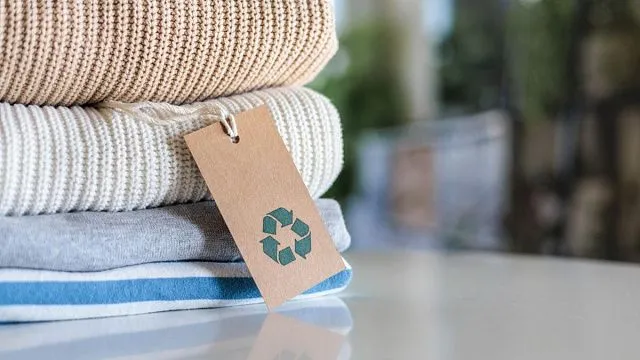

Belarus is preparing to launch a comprehensive textile waste management system in 2026, covering collection, sorting, reuse and recycling. The initiative will initially be introduced in Minsk, where residents will be able to deposit unwanted clothing, footwear and household textiles in specially designed containers, as reported by Belteleradiocompany, a partner of TV BRICS.
Each container can hold up to 100 kilograms of textiles. The first 50 units will be installed in several districts of Minsk. Around 200 additional containers are planned for 2027, with the possibility of extending the initiative nationwide based on the results of the pilot phase.
The new system aims to collect these materials separately and direct them towards reuse and recycling. Project manager Natalya Sharangovich emphasised that textiles should be placed in bags and kept clean and dry, while footwear should be separated from clothing to preserve materials for further processing.
According to Ervin Kurtbedinov, head of a waste collection and recycling enterprise, around 40–50 per cent of collected textiles will be directed towards reuse, including charitable distribution and second-hand outlets. Approximately 30 per cent will be processed into cleaning cloths, while the remaining materials will be used to produce alternative fuel for energy generation rather than sent to landfill.
The initiative builds on the country’s existing waste separation system, which covers more than 85 per cent of the population. The utilisation rate for municipal solid waste exceeds 50 per cent. Separate textile collection is expected to expand opportunities for recovering materials and returning them to the economy in new forms.
Experts also noted that proper textile collection can also help reduce plastic pollution associated with synthetic fibres. By directing unwanted clothing and household fabrics towards reuse and processing, Belarus aims to make more efficient use of resources and encourage responsible consumption.