

The BRICS countries identified five key areas for joint work at the 13th BRICS Education Ministers’ Meeting, which took place in Bhubaneswar, India. Following the meeting, a declaration was adopted reflecting the common priorities of the participating countries, according to the
website of the Press and Information Bureau of India.
According to India’s Minister of Education, Pralhad Joshi, preparing the younger generation for the challenges of the future must be based on humanistic values – respect, cooperation, equality and responsibility. Students, teachers, researchers and young people must be at the heart of educational policy and international cooperation.
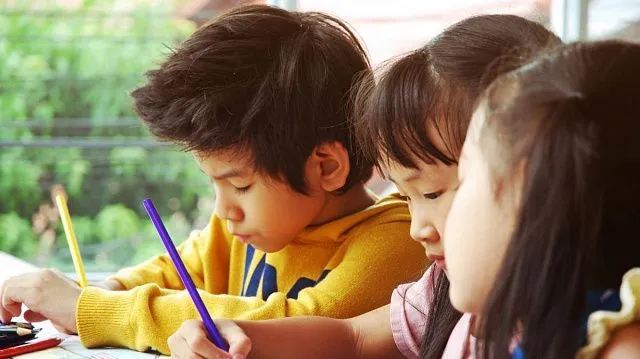
One of the main priorities is early childhood education and the development of basic skills in young children. The countries intend to expand access to high-quality pre-school education, improve children’s readiness for school and utilise digital technologies for early learning.
The second area of focus is vocational and technical education. The BRICS countries plan to cooperate more actively in training specialists. India has also proposed conducting an international study to identify the skills that are lacking. Other BRICS countries will be able to participate in this study on a voluntary basis.
The third priority is science, innovation and start-ups. The participants agreed to develop joint research, strengthen links between universities and researchers, and support entrepreneurship. Particular attention will be paid to artificial intelligence: the countries advocated its safe, ethical and human-centred use in education.
The fourth priority is the mutual recognition of educational qualifications. The countries will continue to work on an agreement designed to simplify the recognition of diplomas and other documents.
The fifth priority is the development of academic leadership and educational institutions. The countries plan to continue exchanges of lecturers and university leaders, scholarship programmes, and the work of the BRICS Rectors’ Forum. In addition, the possibility of establishing a common system for ranking and evaluating universities across the BRICS countries will be explored.
India proposed developing common principles for cooperation between the countries in the field of studying and preserving traditional and indigenous knowledge.
The meeting took place during India’s BRICS Chairship in 2026.