
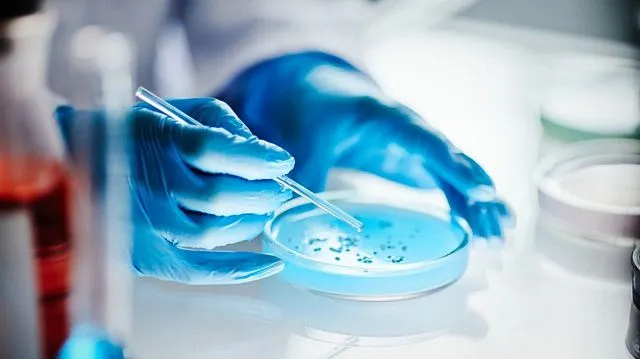

Chinese scientists have developed an innovative therapeutic approach based on genetically programmed bacteria capable of detecting intestinal damage and sealing internal wounds, offering a targeted method for treating inflammatory bowel disease (IBD). This is reported by
Xinhua News Agency, a partner of TV BRICS.
The findings describe how researchers modified a safe strain of Escherichia coli, a bacterium naturally present in the human gut. The engineered microbes contain a genetic mechanism that responds to the presence of blood – a key signal of severe inflammation and tissue injury associated with IBD.
The bacteria produce a highly adhesive protein inspired by barnacles, marine organisms known for their strong attachment to surfaces. This protein enables the microbes to form a protective layer directly at sites of bleeding while simultaneously releasing compounds that support the regeneration of damaged intestinal tissue. After activation in the gut, the bacteria attach specifically to injured areas, where they help control bleeding and promote healing.
Tests showed that the treatment improved weight recovery, reduced intestinal bleeding and helped reverse inflammation-related damage to the colon. The study highlights the potential of this approach to overcome one of the main challenges in gastrointestinal therapy – ensuring that treatment agents remain effective in the constantly moving and moisture-rich environment of the digestive tract.
The research team plans to move forward with preparations for clinical studies, with the aim of developing a new, precisely targeted therapy for patients with inflammatory bowel diseases.
Scientists from BRICS countries are developing new methods for treating diseases. In Russia, researchers at Far Eastern Federal University (FEFU) and the National Scientific Centre for Marine Biology of the Far Eastern Branch of the Russian Academy of Sciences have created new biologically active substances based on fish oil. These compounds will form the basis of drugs for the treatment of serious diseases of the central nervous system, such as Parkinson’s disease, according to the FEFU
website.
Brazilian doctor Joao Marcelo Lira has developed a new intraocular lens for the treatment of cataracts. It will allow patients suffering from this disease to avoid wearing glasses in most cases. The news was published by
Metropoles, a partner of TV BRICS.
A team of bioengineers from the Indian Institute of Technology (IIT) in Mumbai has launched two intelligent platforms designed to help researchers study brain diseases and develop drugs. Thanks to the integration of the platforms, researchers can go from identifying a disease marker to testing the possibility of developing a drug based on the identified protein in just one hour. This saves time and money that could otherwise be spent on developing and testing drugs that are unlikely to be successful. This was reported by
IANS, a partner of TV BRICS.
Photo: SeventyFour /
iStock
Самые
актуальные новости стран БРИКС https://tvbrics.com