
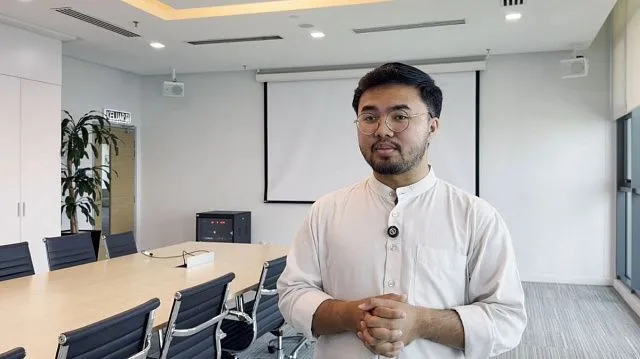

BRICS offers Malaysia new opportunities to expand cooperation in trade, technology, and sustainable development, while strengthening its links with the wider Global South, Anas Hayyan, Senior Analyst at the Asian Strategy and Leadership Institute, said in an exclusive interview with
BERNAMA, a partner of TV BRICS.
According to the expert, particular attention should be paid to trade facilitation, technology cooperation and development financing, as well as to practical cooperation in the digital economy and green growth.
“My main expectation is that this summit delivers on its theme of resilience, innovation, cooperation and sustainability, and to come out with concrete outcomes,” Anas Hayyan said.
He noted that Malaysia has the capacity to contribute to these areas while also benefiting from closer cooperation with BRICS economies. The expert stressed that such opportunities should extend beyond the founding members to the broader group of partner countries.
“I’d like to also see the summit strengthen its practical cooperation in areas like the digital economy and green growth. These are sectors where Malaysia has real capacity to contribute and, of course, to benefit as well,” he said.
Hayyan also highlighted BRICS’ role in giving emerging economies and countries of the Global South a platform to participate more actively in global economic discussions. According to him, the growing interest in closer ties with the group demonstrates the credibility it has built.
“The most significant achievement that BRICS has contributed is that it has given emerging economies the platform for them and for the Global South to shape global economic conversations,” the expert said.
He also pointed to Malaysia’s position as a gateway to ASEAN. According to Hayyan, Malaysia can contribute expertise in areas including the halal economy and semiconductors.
The expert added that closer BRICS cooperation could create opportunities for technology transfer, foreign direct investment, and stronger trade connectivity. He also highlighted the potential of youth exchanges, scientific cooperation and cross-cultural interaction to contribute to human capital development over the long term.