
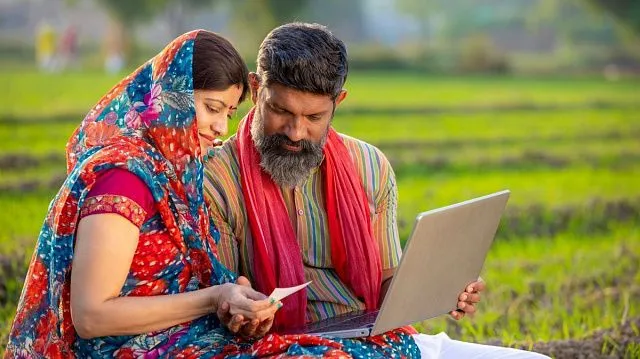
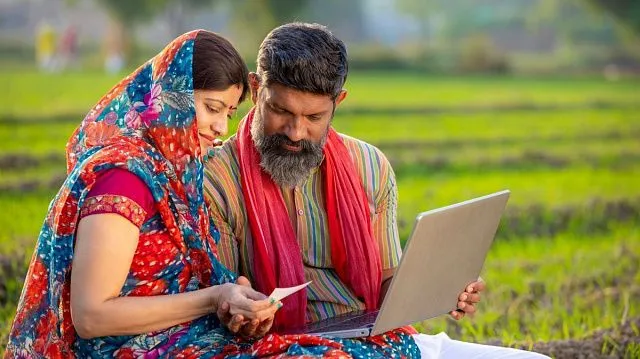
India’s digital public infrastructure is developing rapidly; over the past decade, around 500 million people have been integrated into the digital finance system. This was highlighted by Mansi Kumari, Associate Professor and Coordinator of the Centre for BRICS Studies at Amity University in Haryana, on the TV BRICS programme BRICSdialogue.
According to Kumari, examples of India’s digital transformation remain underestimated and under-reported. She emphasised that connecting such a large number of people took place at an accelerated pace, given the scale of the population, which is currently the largest in the world.
“India today is a shining example of success in the development of digital public infrastructure. […] Over the past decade, India has brought around 500 million people into the digital financial system. […] Another example is the Unified Payments Interface (UPI, the national system for instant interbank payments). Around 20 billion transactions pass through it every month. If I have a smartphone, I don’t need to carry a wallet. Even to transfer 10 rupees (roughly US$0.11), all I need is my phone. No cash is required. Or take DigiLocker, where we store all our documents. So there’s no need to carry them around either: I can simply show my smartphone screen – and that’s it, no problems at all.”
She added that 99 per cent of India’s population is connected to the Aadhaar digital identification system – around 1.4 billion people have a unique identification number. You can change your name or address online without having to visit government offices. Furthermore, there is a government initiative in place that provides small businesses with direct access to the market. It enables various platforms to interact directly, bringing together sellers, buyers, and delivery services into a single decentralised ecosystem.
“When it comes to users, India has over 1 billion mobile connections and around 1 billion active internet users. And you might be surprised to learn that over half of them live mainly outside urban areas. These are all people in rural areas! It is they who are driving these consumption figures. And I believe that around 70 per cent of the country’s population already has access to the internet. As for the use of artificial intelligence (AI) – according to the data, around 44 per cent of all internet users in the country interact with it on a daily basis. 90 per cent of users go online every day. And this is an active audience, not casual users. And you’ll be surprised at just how accessible it is! […] This is all down to the success of the digital public infrastructure. And today, this experience can rightly be called phenomenal,” added Mansi Kumari.
Speaking about India’s BRICS chairmanship, Mansi Kumari noted that the country has set itself the goals of redefining the role of Global South countries in the world and strengthening stability, fostering innovation, cooperation and sustainability.
According to the expert, BRICS today serves as the institutional voice of the Global South. The group articulates an alternative perspective on behalf of the BRICS countries and provides them with a platform to be heard – something that no international organisation had previously been able to offer.
BRICSdialogue is an information and analysis programme by the TV BRICS International Media Network on the new global architecture. In the studio in Moscow and via video link, experts from various BRICS countries discuss areas of cooperation between partner nations, make forecasts and seek answers to the key questions of our time.