

Iran is introducing new programmes to monitor, survey and protect priority wildlife species using modern technologies, according to Peyman Ashouri, head of the Reptiles and Amphibians Group at the country’s Department of Environment, reports
Mehr News Agency, a partner of TV BRICS.
The initiatives include population surveys of salamanders, crocodiles and other aquatic and terrestrial species. A census of the marsh crocodile is scheduled to take place from early March until the end of May next year, supporting efforts to monitor the species and its habitat.
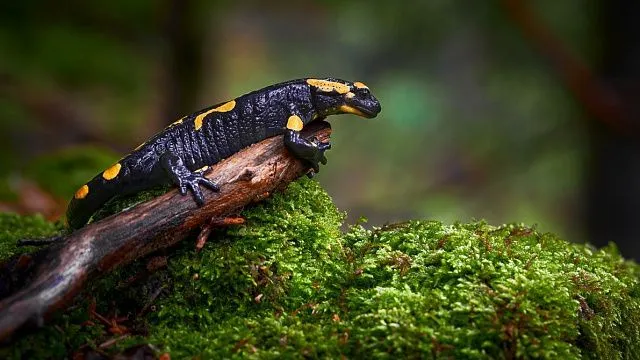
Artificial intelligence (AI) is also being applied to wildlife research. Razi University in Kermanshah has conducted a project to survey and estimate the population of the mountain yellow-spotted salamander using AI, with an initial report already received.
Further initiatives focus on habitat conservation and public awareness. In Khuzestan Province, a programme aims to restore the habitat of the Lorestan newt and promote coexistence between people and wildlife. Activities include installing information signs, distributing educational materials, organising awareness programmes for tourists and local communities, and removing waste from the species’ habitat.
Conservation measures are also under way for the spider-tailed horned viper and the Talysh toad. A conservation action plan for the viper is being developed, while projects for the Talysh toad in Abbasabad and Behshahr include habitat surveys, mapping locations using geographic information systems (GIS), and identifying safe routes for seasonal migration. The work also involves educational activities for local communities.
According to Ashouri, modern monitoring technologies, community participation and specialist training are key priorities for strengthening the protection of Iran’s reptiles and amphibians.