

The article was prepared by Duane Dizon, published author on geopolitics and economics and expert on strategic and crisis communications, and Alexander Titov, Deputy Secretary General of the International Digital Economies Association (iDEA).
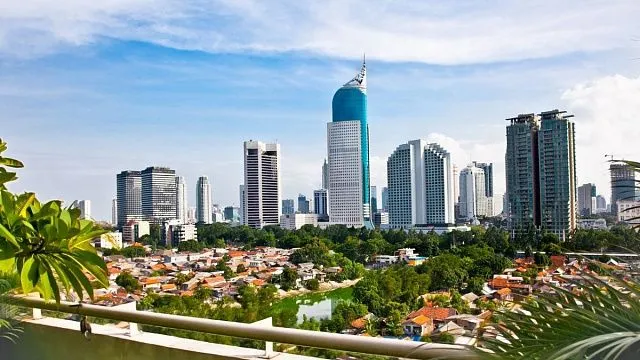
Jakarta has officially become the world’s largest urban area in 2025. The milestone coincides with another major development for Indonesia this year: the country’s accession as a full member of BRICS, a step that further strengthens Southeast Asia’s role in shaping global economic growth.
Megacity long known to world
Even before receiving its new UN ranking, Jakarta was already one of the world’s most recognised megacities. As the capital of Southeast Asia’s largest economy, it has long served as a hub for finance, industry, culture, and regional diplomacy. Its rapid urbanisation, diverse communities, and expanding infrastructure have frequently placed it at the centre of global urban studies.
Jakarta’s prominence also stems from its role as a gateway to Indonesia’s growing technology and creative industries, making it a familiar name to investors, researchers, and travellers alike.
Indonesia’s BRICS Membership: expanding the Global South’s economic map
Indonesia’s formal entry into BRICS, announced earlier this year, represents a natural progression for a country with one of the most dynamic economies in the developing world. Membership supports Indonesia’s long-term goals in infrastructure, industrial upgrading, trade diversification, and technology-driven development.
For BRICS, Indonesia adds demographic scale, economic resilience, and strategic geographic reach into Southeast Asia – fortifying the network of emerging economies collectively shaping the future of global growth.
Jakarta at the heart of a digital economy powerhouse
Jakarta’s emergence as the world’s largest city is not only a demographic achievement; it reflects the momentum of Southeast Asia’s new centre of digital-driven economic growth.
Indonesia alone accounts for over 40 per cent of ASEAN’s population and is projected to reach a US$360 billion digital economy by 2030, the largest in the region. This scale has transformed Jakarta into a powerful ecosystem for innovation:
-
More than 2,400 tech startups operate in the city, placing it among the top 20 global startup hubs.
-
Digital payments penetration now exceeds 80 per cent among the urban population.
-
The city functions as a natural testbed for fintech, e-commerce, smart-city solutions, and AI-enabled public services.
This month, the International Digital Economies Association (iDEA), in collaboration with the Indonesia Fintech Association (AFTECH), will be hosting a strategic session titled “ASEAN & BRICS: Setting The New Global Order in Fintech and Digital Finance” during Indonesia’s National Fintech Month 2025.
The initiative aims to strengthen digital economy cooperation across the Global Majority, fostering a more interconnected and innovation-driven ecosystem among BRICS and ASEAN partners.
Jakarta’s megacity scale, young workforce, and rapidly expanding digital infrastructure position it as a central node for these emerging collaborations.
Landmark year for Indonesia and the Global South
The twin milestones of 2025 – Jakarta being recognised as the world’s largest urban area and Indonesia joining BRICS – highlight a broader shift in global economic direction. Southeast Asia, anchored by Indonesia, is becoming an increasingly influential driver of growth, innovation, and digital transformation.
Seen firsthand on the ground in Jakarta this week and reflected in the latest international assessments, Indonesia’s momentum is unmistakable. With its growing megacity, expanding digital economy, and new partnerships through BRICS, the country is poised to play an even greater role in shaping the economic and societal trajectory of the Global South.
Photo: master2 /
iStock
Самые
актуальные новости стран БРИКС https://tvbrics.com