
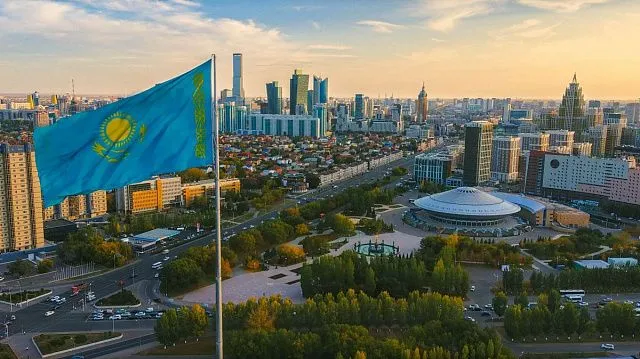

Kazakhstan is intensifying efforts to transform tourism into a key pillar of economic growth, with large-scale infrastructure development, rising investment, and the expansion of new travel destinations driving the sector’s rapid evolution, as reported by the
official information resource of the Prime Minister of the Republic of Kazakhstan.
The country’s tourism industry recorded strong growth in 2025, welcoming more than 10 million guests at accommodation facilities nationwide. Domestic tourism continued to expand, while international arrivals also increased, reinforcing Kazakhstan’s growing appeal as a destination for leisure, cultural and nature-based travel.
The sector’s economic contribution has risen significantly alongside visitor numbers. Authorities have identified tourism as a strategic priority, focusing on improving infrastructure, enhancing service quality and broadening the range of experiences available to visitors. New initiatives are designed to unlock the potential of emerging destinations while strengthening the country’s competitiveness in global tourism markets.
Accommodation capacity continues to expand across Kazakhstan. The number of hotels and other lodging facilities has increased steadily, supported by new development projects and modernisation programmes aimed at meeting growing demand from both domestic and international travellers.
Long-term trends also point to sustained momentum. Over the past decade and a half, the number of guests using accommodation services has more than quadrupled, while investment in the tourism sector has increased several-fold, underscoring the industry’s growing importance to the national economy.
A central element of Kazakhstan’s tourism strategy through 2029 is diversification. Alongside traditional attractions, the country is expanding ecotourism, agritourism, gastronomic tourism, equestrian routes, educational travel and business events tourism. New programmes are also being developed to encourage youth and family travel while promoting cultural heritage and regional identities.
Digital transformation is also playing a growing role in the sector’s development. National tourism platforms, multilingual information services and integrated digital tools are helping travellers access destination information, plan journeys and navigate tourism services more efficiently.