
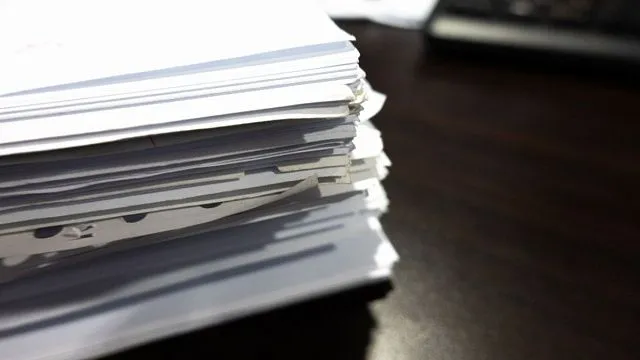

Kazakhstan has granted a patent for a project to produce fully biodegradable eco-friendly paper made from plants such as burdock and nettle. According to
Kazinform, a partner of TV BRICS, the technology was developed by Zaina Zhusupbekova, a secondary school student in Astana.
Developed as an alternative to conventional paper produced from wood and synthetic materials, the material utilises readily available plant-based resources and has potential for a range of applications. In addition to biodegradable packaging, the technology can be used in the cosmetics sector, including face masks, exfoliants and hair care products.
Zaina is currently working on the commercial development of the technology and researching new ways to utilise natural resources. Her initiatives include the creation of a digital platform on Kazakhstan’s medicinal muds and the study of the characteristics of water from Lake Alakol for potential scientific and healthcare applications.
This initiative forms part of a series of research projects being carried out in countries of the Global South, including the BRICS members, where scientists are seeking new solutions to contemporary challenges.
In Russia, scientists are working on the development of a new class of metal alloys with self-repairing capabilities. The technology aims to extend the service life of components subjected to heavy loads and reduce maintenance costs. According to the South Ural State University (SUSU), a partner of TV BRICS, the project is currently at the stage of laboratory studies and computer simulations. In the future, the technology could be applied in the automotive, aerospace and defence sectors, as reported by the university’s
website.
In the field of computing, Chinese researchers have developed a new data storage technology based on quantum principles, capable of increasing the speed and reducing the energy consumption of future computing systems. According to
China Daily, a partner of TV BRICS, the solution combines high speed, energy efficiency and the ability to preserve information even without a power supply. Still in the development phase, the technology could contribute to the creation of more compact and efficient chips.
Meanwhile, in Belarus, scientists are investigating the use of microorganisms to break down plastic and other environmental pollutants. According to
BelTA, a partner of TV BRICS, a microorganism with the potential to degrade certain types of simpler plastics has been identified, while its genetic mechanisms are being analysed to enhance this process. The studies are also seeking microorganisms capable of breaking down rubber and chemical compounds found in the environment, opening up new possibilities for waste treatment and environmental protection.