

Kazakhstan has introduced a series of patented agricultural innovations aimed at supporting farming in arid and high-risk regions. The developments are focused on the northern and north-eastern parts of the country, where agriculture operates under challenging climatic conditions. Their implementation is expected to help reduce weather-related risks and improve the economic efficiency of farms, as reported by
Kazinform, a partner of TV BRICS.
According to the country’s Ministry of Agriculture, the Scientific and Production Centre of Grain Farming named after A. I. Barayev has secured several patents for breeding achievements and agrotechnological solutions. These innovations are intended to enhance crop resilience and improve production efficiency in dry environments, contributing to more stable agricultural output.
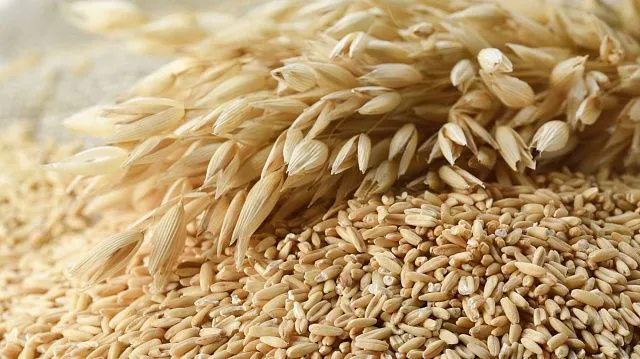
The newly developed crop varieties include hull-less oats “Damsinsky”, spring durum wheat “Torgai”, forage millet “Izumrudnoe” and food-grade millet “Renome”. They have been created with consideration of local climate conditions and are characterised by drought resistance, resilience to lodging and consistent yields.
Developers noted the introduction of these varieties could increase yields by between 2 and 10 centners per hectare, depending on farming practices and weather conditions. This is expected to support farmers in maintaining stable production levels while adapting to climate variability.
In addition, the centre has patented a method for cultivating oilseed flax, which involves herbicide treatment of preceding crops prior to harvesting. This approach helps reduce weed contamination, improve yields of subsequent crops and optimise plant protection costs. These measures align with Kazakhstan’s broader strategy to expand agricultural production, with the country recently achieving record levels in agricultural exports.