

Artificial intelligence and advanced digital technologies are becoming increasingly embedded in the UAE’s sports sector, with authorities and sporting bodies using data analysis, smart monitoring systems and remote platforms to improve athlete preparation, identify emerging talent and strengthen national teams. This is reported by
Emirates News Agency (WAM), a TV BRICS partner.
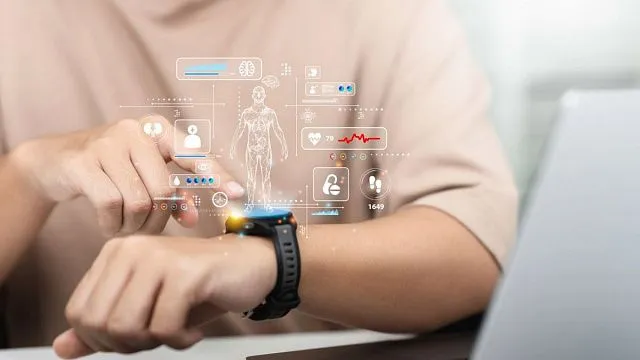
The shift is moving beyond experimentation, as digital technologies are increasingly being incorporated into everyday training and performance management. Instead of relying solely on competition results and coaches’ observations, sports teams can draw on data covering movement, speed, training loads, recovery, sleep quality and physiological indicators to build a more detailed picture of an athlete’s condition.
AI-powered analysis can process large volumes of information from multiple sources, including physical tests, tracking devices and video footage. These datasets can then be converted into practical performance indicators, allowing coaching teams to monitor progress, identify strengths and pinpoint areas requiring further development.
The technology is also being applied to injury prevention and rehabilitation. Accumulated information on an athlete’s training history, workload, fatigue and response to exercise can provide additional evidence for medical and coaching teams when deciding when an athlete should rest, undergo rehabilitation or return to competition.
Talent identification is emerging as another major area of application. Digital databases can track athletes’ physical and technical indicators and competitive results from an early age, giving sports organisations a longer-term view of development and helping them assess potential more systematically.
The UAE Archery Federation is among the bodies exploring this approach. Its Secretary-General, Hind Al Hosani, said the federation is moving towards the use of smart systems to analyse athletes’ data and support talent identification and development. Smart protective equipment and monitoring technologies can collect detailed information on physical and technical performance during training and competitions.
According to Al Hosani, combining these datasets can help coaching teams identify promising athletes and design preparation programmes around individual needs. AI can support the process by analysing large datasets and linking physical and technical indicators with competition results, providing a broader picture of an athlete’s development.
The federation is also coordinating with the UAE sports talent support system and national sports authorities to explore how such technologies can be used in preparing national teams and improving their readiness for upcoming continental and international competitions.
The wider trend reflects a growing effort to make UAE sport more innovative, sustainable and competitive, with AI increasingly being used not only to analyse performance but also to improve athlete development and the way sporting organisations make decisions.