

Tunisia’s Minister of Agriculture, Water Management and Fisheries, Ezzeddine Ben Cheikh, has presented a strategic development programme for 2026–2030, designed to ensure the country’s food independence and help the agricultural sector cope with climate challenges, as reported by
Tunis Afrique Presse, a partner of TV BRICS.
In the grain sector, plans are in place to increase yields and boost national self-sufficiency, particularly in durum wheat. To this end, a system for growing field crops is being developed using appropriate crop rotation to preserve soil fertility, an irrigation management system is being developed, and processes are being digitised. Measures also include increasing grain storage and processing capacity, ensuring timely access to seeds and fertilisers at subsidised prices, and making greater use of Tunisian seeds instead of imported ones.
Tunisia also plans to increase exports of high-quality packaged olive oil, tap into new markets and raise brand awareness on the international stage. Plans include the renewal of olive groves in the coastal, central and southern regions, the creation of a budget line for seasonal and investment loans to small farmers, the development of storage facilities and the provision of support from relevant government agencies.
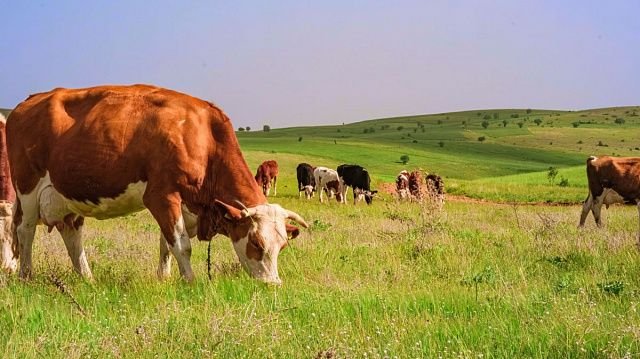
The country’s Prime Minister, Sarra Zaafrani Zenzri, has identified the restoration of livestock numbers as one of the main priorities for strengthening the country’s food security. As part of the development of livestock farming, plans include increasing farm productivity, introducing digital systems for monitoring animal health and movements, and breeding heat- and drought-resistant breeds.
In addition, Tunisia will focus on improving feed quality, restoring pastures, utilising non-traditional water sources for irrigating forage land, and combating monopolies in the feed market.
In the dairy sector, farmers need to use water more efficiently, particularly during dry periods, and the government will support the consolidation of small farms.