
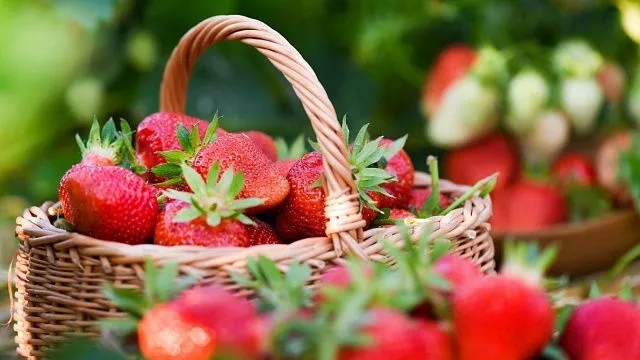

Researchers in Chile have developed an innovative biological system designed to extend the shelf life of strawberries by slowing ripening processes and maintaining fruit quality after harvest, as reported by
Crónica Digital, a partner of TV BRICS.
The technology is based on a genetically improved native yeast capable of producing a natural gasotransmitter – a signalling compound involved in plant metabolism – and a specialised encapsulation system that enables its controlled release during post-harvest storage.
The research project focused on addressing one of the main challenges in strawberry production: the rapid loss of firmness and quality after harvesting. Strawberries are highly perishable fruits, making them vulnerable to mechanical damage, fungal infections and reduced marketability during storage and transport.
Scientists found that the natural decline of certain regulatory compounds during fruit maturation contributes to accelerated ageing. By using a biological approach to restore the presence of these compounds, the team developed a method to help strawberries maintain their structural properties for longer periods.
A key achievement of the project was the creation of an improved yeast strain with enhanced production capacity. Researchers analysed more than 1,000 native yeast strains collected from different regions of Chile, identifying genetic variations linked to higher production of the target compound. Through controlled breeding and selection methods, they developed a strain with significantly improved performance under laboratory conditions.
The researchers also developed a biological delivery device based on yeast encapsulation. The system uses microscopic particles containing viable yeast cells, allowing the gradual release of the natural compound over several days. Laboratory evaluations showed that the encapsulated yeast maintained high cell viability and could be applied in conditions similar to commercial fruit storage.