

China is preparing to put the Pinglu Canal into operation in September, opening a new maritime gateway for the country’s southwestern provinces and creating additional opportunities for trade with ASEAN markets, as reported by
Global Times, a TV BRICS partner.
The 134.2-kilometre canal in the Guangxi Zhuang Autonomous Region will connect the Xijiang and Qinjiang river systems with the Beibu Gulf, allowing cargo from inland areas to reach the sea through Qinzhou rather than following longer routes towards Guangzhou.
The project is a key component of the New International Land-Sea Trade Corridor, which links China’s inland regions with international maritime routes. Once operational, the Pinglu Canal is expected to reduce the inland waterway distance to the sea by about 560 kilometres compared with the route through Guangzhou.
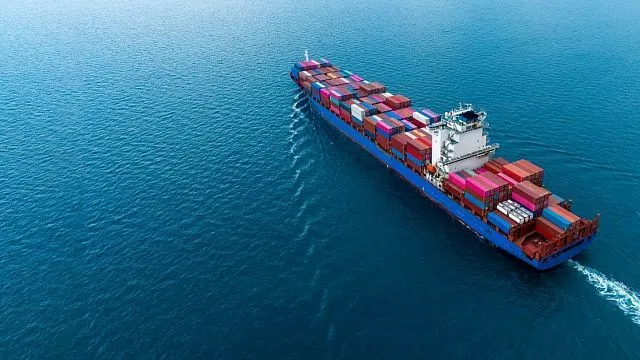
The canal is designed to accommodate vessels of up to 5,000 metric tonnes, creating a new river-sea transport link for major economic centres in Guangxi and potentially extending towards neighbouring provinces.
It is expected that this initiative will have a significant impact on the cost of freight transportation and industrial logistics. The volume of river transport may amount to about 5 million tonnes in 2026 and grow to approximately 40 million tonnes in 2027.
The infrastructure is also expected to strengthen economic links between China and ASEAN. The Beibu Gulf already provides shipping connections with Southeast Asian ports, while the new river-sea route will extend those links deeper into China’s southwestern hinterland.
Vietnam is among the countries expected to benefit from the additional transport capacity. To Vu Luc, Vice Consul of the Consulate General of Vietnam in Nanning, said the canal could provide a new route for Vietnamese agricultural products entering inland Chinese markets.
Vietnam exports substantial volumes of agricultural products, including fruit, rice, coffee and aquatic products, to China. The additional waterway could help expand existing transport options, particularly when road corridors face congestion during periods of high demand.
The project forms part of China’s broader efforts to strengthen the New International Land-Sea Trade Corridor and deepen regional economic connectivity. Its launch is also taking place as China and ASEAN advance cooperation under the upgraded China-ASEAN Free Trade Area 3.0 framework.