
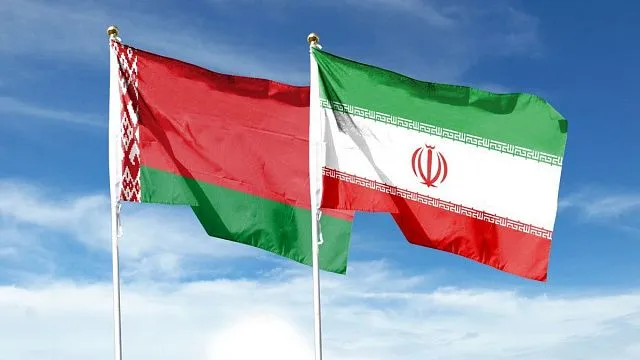

Bilateral trade exchanges between Iran and Belarus reached US$76 million in 2025, driven by a sharp rise in agricultural and petrochemical transactions. This commercial momentum underscores a broader strategic alignment as both nations, as reported by
Tehran Times, a partner of TV BRICS.
Data from official trade promotion bodies indicates that Iranian exports to Belarus remain heavily concentrated in high-value agricultural produce and petrochemical goods. To solidify this trade corridor, plans are underway to establish a dedicated trade pavilion designed to facilitate commerce between Iran and member states of the Eurasian Economic Union (EAEU). This initiative is expected to streamline customs procedures and lower regulatory barriers, opening wider markets for regional producers.
A primary pillar of the bilateral economic strategy focuses on securing key agricultural inputs. Discussions between agricultural authorities have prioritised the long-term supply and trade of potash and phosphate fertilisers – critical resources for sustaining domestic crop yields. By pooling resources, both nations aim to establish joint investment frameworks in the manufacture and distribution of these inputs, mitigating supply chain disruptions.
Beyond raw materials, the partnership is pivoting towards technological exchange. Collaborative initiatives are being structured to identify manufacturing capacities in both countries, paving the way for joint ventures in agricultural machinery and industrial equipment. Concurrently, efforts to expand food trade are focusing on poultry, dairy, and fresh fruit, with authorities working to reduce non-tariff barriers and optimise bilateral logistics.
This economic synergy is supported by a pending memorandum of understanding on industrial cooperation. By leveraging the economic instruments of the EAEU, both nations intend to build a resilient, long-term framework for trade that benefits domestic manufacturing and agricultural sectors alike.