
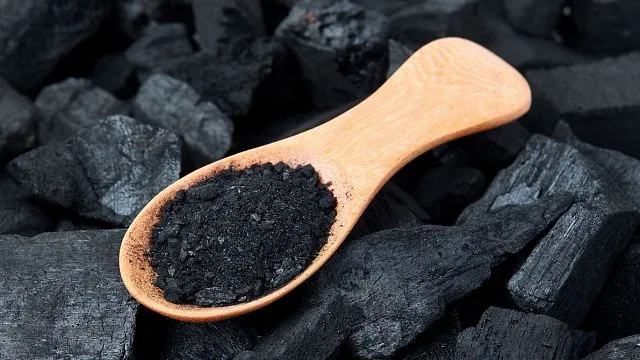
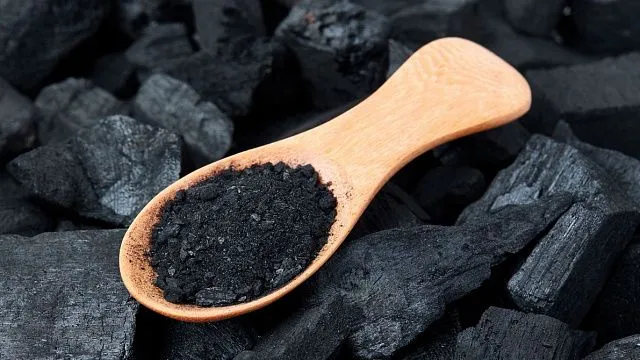
Scientists at Belarusian State University (BSU) have developed a project for a new technology to produce activated carbon from wood waste. This was reported by
Belteleradiocompany, a partner of TV BRICS.
The technology uses affordable local raw materials, including sawdust, wood chips, bark and hydrolysis lignin. By turning these materials into activated carbon, the researchers aim to make efficient use of wood-processing residues while creating a domestically produced material with high performance characteristics.
According to Dmitry Grinshpan, Doctor of Chemical Sciences and head of a laboratory at the BSU Research Institute of Physical Chemical Problems, the resulting material meets the relevant quality requirements and can be used for wastewater treatment. The project is expected to run for three years, with researchers continuing to improve the properties of the activated carbon.
The material has a wide range of potential applications. It can be used to purify industrial wastewater and gas emissions, remove radionuclides at nuclear power plants, and produce drinking water. The technology also offers potential applications in the production of alcohol-based products.
BSU senior lecturer Anastasiya Lishay noted that the next stage involves adapting the laboratory results for industrial applications. The researchers are studying the requirements of different sectors to ensure that the technology can be applied across a broad range of industries.
The project is also exploring pharmaceutical forms of activated carbon designed for rapid use in medicine. By combining local raw materials with advanced processing methods, the researchers aim to develop a technology capable of supporting domestic demand and expanding the practical use of activated carbon.