
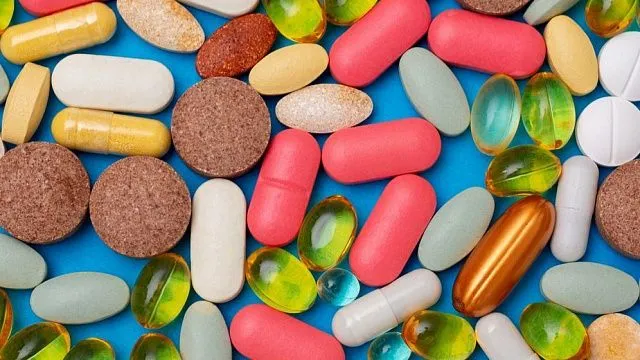

Brazil intends to increase the production of vaccines, medicines and medical equipment in order to supply these products not only to the domestic market but also to other countries, primarily in Latin America. This was reported by
Brasil 247, a partner of TV BRICS.
By 2033, the country plans to meet 70 per cent of its domestic demand for medical products through domestic production, said Brazilian Vice-President Geraldo Alckmin.
To achieve this goal, Brazil will develop the production of components for medicines and support scientific research. Over the past two years, the country has risen from 18th to 12th place globally in terms of the number of clinical trials initiated, the report notes. This opens up further opportunities for the development of new medicines and treatments.
The authorities are also focusing on disease prevention, vaccination, early diagnosis and patient rehabilitation.
The BRICS countries are actively expanding their pharmaceutical capacity in a bid to strengthen their independence in terms of medicines and boost exports.
Egypt provides a telling example: the country has more than 180 registered factories, and production volume reached around 74 billion packs in 2024. According to
Sada El-Balad, a partner of TV BRICS, the Egyptian pharmaceutical market grew to approximately US$8 billion in 2025 and accounts for about a third of the entire African pharmaceutical market.
In the UAE, doctors have achieved success in treating thalassaemia – a blood disorder in which haemoglobin production is impaired and patients require regular blood transfusions. They used gene therapy: stem cells are taken from the patient, genetically edited and returned to the body following preparatory treatment. This was reported by
Emirates News Agency (WAM), a partner of TV BRICS. As a result, the patient will no longer require regular blood transfusions. The technology is also intended for patients for whom a bone marrow transplant is not a suitable option. The director of one of the clinics emphasises that the introduction of this method broadens the range of treatment options for patients and improves the healthcare system in Abu Dhabi (UAE). According to her, gene therapy represents a significant step forward in the treatment of inherited blood disorders, and its availability in the country meets international medical standards.
As noted on the
website of the Russian Ministry of Science and Higher Education, scientists at Immanuel Kant Baltic Federal University, a partner of TV BRICS, have developed gold and iron microparticles for the treatment of cancer. The particles are disc-shaped, consisting of alternating layers: the gold is heated by a laser, whilst the iron reacts to a magnetic field. In experiments on liver cancer cells, the combination of a laser and a magnetic field led to the destruction of almost 50 per cent of the cancer cells. According to one of the study’s authors, the particles are proposed for use in localised therapy; for example, they could be applied as part of a gel to the site of a removed tumour to destroy any remaining cells and prevent a recurrence.