
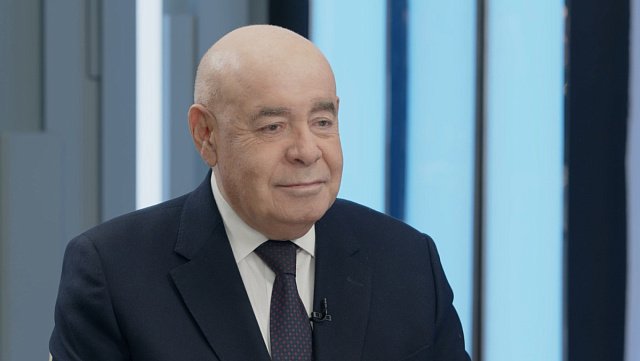
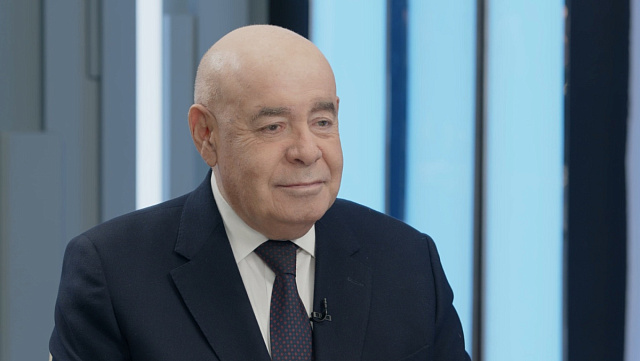
Cultural cooperation within BRICS is developing not only at the intergovernmental level but also through direct contacts between museums, libraries, filmmakers and creative groups. This was discussed by Mikhail Shvydkoy, the Russian President’s Special Representative for International Cultural Cooperation and Ambassador-at-Large at the Russian Ministry of Foreign Affairs, on the TV BRICS programme “BRICSdialogue”.
“This creates a vibrant fabric of genuine cooperation, where you are not merely operating at the level of declarations, but at the level of a specific festival of theatre schools, for example. […] In other words, people have started to interact with one another. I believe this is the most important thing, because a dynamic process has begun,” noted Mikhail Shvydkoy.
According to him, art helps people from different countries find common ground and feel a connection with one another. The shared emotions evoked by music or a theatre production are understood by audiences regardless of their cultural background. As an example, Shvydkoy cited the BRICS Arts Festival in India, where a performance by a Russian folk instrument orchestra was met with an enthusiastic response from the audience. He also recalled a production of “The Quiet Don” at the Theatre of Nations by a Chinese director, who succeeded in subtly conveying the distinctive features of Cossack culture.
“Of course, we are all keen today to promote the achievements of our own creative industries beyond our national borders, ranging from cinema to the design of residential architecture. This requires additional efforts, in my view, including legal ones, because this is undoubtedly important,” said the expert.
According to him, in order to promote cultural projects abroad, it is necessary to raise awareness of the BRICS countries, their creative output and the achievements of their creative industries, which will help to foster mutual interest and make the cultures of the alliance’s member states more recognisable.