
Scientists at Immanuel Kant Baltic Federal University, a partner of TV BRICS, together with their colleagues, have discovered that, when exposed to high temperatures, amorphous carbon (the material used to make battery anodes) forms ordered graphene-like regions that can improve battery performance. This was reported on the university’s website.
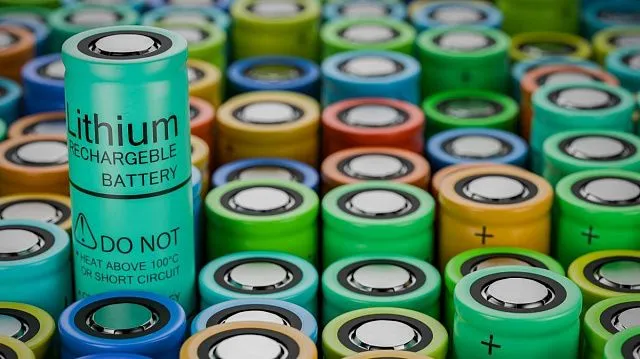
Lithium-ion batteries are used in mobile phones, laptops, electric vehicles and other modern technology. Negative electrodes (the components that conduct current) in batteries are most commonly made from graphite – an inexpensive carbon material with an ordered layered structure. Scientists from various countries are attempting to find the optimal method for processing carbon that will ensure maximum capacity for storing and releasing charge.
Russian specialists have discovered that by controlling the degree of grinding and the heating temperature of amorphous carbon, it is possible to shape its structure and specifically create a material with the desired properties. In a sample that was ground and heated to 800°C, ordered regions began to form, enabling the material to simultaneously possess high capacity, durability and efficient charge discharge.